
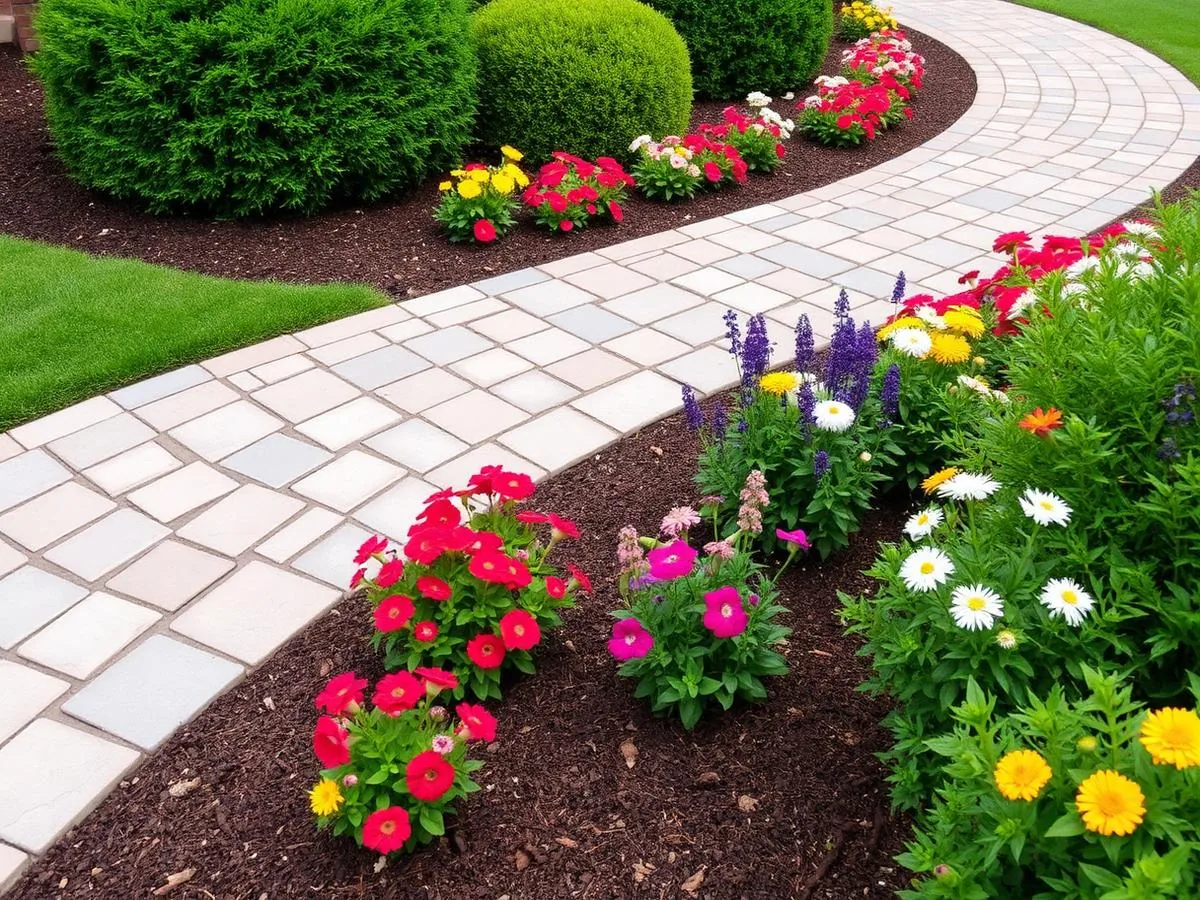
A front yard in Fairfield County has to survive a lot: deer walking through every night, road salt and plow spray along the curb, heavy clay that stays wet in spring and cracks in August, and, if you're near the water, salty wind. It also has to look good twelve months a year, because it's the first thing everyone sees.
This is the short list we come back to again and again. Every plant here is reasonably deer-resistant, handles at least some salt, and copes with clay if the bed is prepared properly. Just as important, most of them still have structure, color or berries in February, when a lot of front yards look like bare mulch.
A quick disclaimer: no plant is deer-proof. A hungry deer in a hard winter will try almost anything. These are the plants they usually leave alone.
Evergreen and winter backbone
1. Inkberry holly (Ilex glabra) A native evergreen shrub with small, glossy leaves. It's a great replacement for boxwood: it tolerates wet soil and clay, handles salt, and deer generally leave it alone. Compact varieties like 'Shamrock' and 'Gem Box' stay tidy along a foundation. It can get leggy at the base over time, so a light shear every year or two keeps it full.
2. Northern bayberry (Myrica pensylvanica) A tough native shrub that grows wild along the Connecticut shoreline, so salt and wind don't faze it. The leaves are aromatic and semi-evergreen, and female plants carry gray, waxy berries through the winter (plant a male nearby for fruit). It thrives in poor soil and is ideal along the street edge where plow spray lands.
3. Shore juniper (Juniperus conferta 'Blue Pacific') A low, spreading evergreen groundcover with blue-green needles and some of the best salt-spray tolerance of any plant on this list. It needs good drainage, so in clay we plant it on a slight mound or in an amended bed. It's excellent on a sunny slope or softening the edge of a wall.
4. Winterberry (Ilex verticillata) This is the February plant. It's a deciduous native holly, and after the leaves drop the branches stay covered in bright red berries well into winter, until the birds finish them. It loves wet clay. You need one male for every several females to get berries. Deer occasionally browse young plants, so give new ones some protection their first winter.
Summer bloom that survives the deer
5. Summersweet (Clethra alnifolia) A native shrub with fragrant white or pink flower spikes in July and August, when most shrubs are done blooming. Pollinators love it, deer mostly don't, and it tolerates salt and wet soil. 'Hummingbird' and 'Sixteen Candles' are compact choices for front beds. It leafs out late in spring, so don't give up on it in April.
6. False indigo (Baptisia) A long-lived native perennial with blue, purple, white or yellow spring flowers on shrub-sized plants. Deer ignore it, it handles clay and drought once established, and the dark seed pods add interest into fall. Plant it where you want it permanently, because its deep taproot doesn't like being moved.
7. Catmint (Nepeta 'Walker's Low') A dependable front-of-border perennial with soft gray-green leaves and lavender-blue flowers from late spring into summer. Deer and rabbits avoid it. Shear it back by about a third after the first flush and it blooms again. It's a good, much tougher substitute for lavender, which usually struggles in wet Connecticut clay.
8. Ornamental onion (Allium 'Millenium') A compact perennial allium with round rosy-purple flower heads in mid to late summer, when many beds get tired. Deer leave onions alone, bees love it, and the dried seed heads look good into fall. It likes decent drainage, so it's best along the sunny edge of a bed.
Grasses for winter structure
9. Little bluestem (Schizachyrium scoparium) A native grass with blue-green summer blades that turn copper-orange in fall and hold that color all winter. It tolerates salt and poor soil and is not a deer favorite. It prefers sun and doesn't want to sit in water, so give it the drier part of the bed. 'Standing Ovation' stays upright better than the straight species.
10. Switchgrass (Panicum virgatum) Another native grass, taller and even tougher. It handles clay, wet or dry, and salt spray. 'Shenandoah' turns burgundy in fall, and 'Northwind' is a stiff blue-green column that stands through snow. Leave it up all winter and cut it back in early spring.
11. Feather reed grass (Calamagrostis 'Karl Foerster') A narrow, vertical grass that blooms early and holds its tan plumes upright through most of the winter. It fits tight spaces between a walk and a foundation, tolerates clay and isn't bothered by deer. Planted in a row, it's one of the easiest ways to make a bed look designed.
Shade and late-winter bloom
12. Hellebore (Helleborus) If your front yard is shaded, this is the plant. Hellebores have leathery evergreen leaves and flowers in white, pink, plum or green that open in February and March, often while there's still snow around. All parts are toxic, so deer leave them completely alone. Cut back the tattered old leaves in late winter so the new flowers stand out.
Two plants to leave off the list
You'll still see these in older foundation plantings, but we don't plant them:
- Japanese barberry. Connecticut has banned it from sale because it's invasive, and it's also linked to higher tick populations.
- Burning bush (Euonymus alatus). It's on the state's invasive plant list and spreads aggressively into woodland edges.
Inkberry, bayberry, summersweet and winterberry fill those same roles and support native wildlife.
Setting up clay beds for success
Most plant failures we see in Fairfield County come from the soil, not the plant.
- Don't add sand to clay. It can make things worse. Mix in generous compost across the whole bed instead of just the planting hole.
- Plant slightly high. Setting the root ball an inch or two above grade keeps the crown out of standing water.
- Mulch 2 to 3 inches deep, kept away from stems and trunks. No mulch volcanoes around trees.
- Water deeply and less often the first two summers so roots grow down, not just at the surface.
- Use salt-tolerant plants along the curb and avoid piling salted snow on beds when you shovel or plow.
A front yard that works all year
The best front yards mix a few evergreens for structure, grasses for winter movement, and a sequence of bloom from February hellebores to August summersweet. If you'd like help putting a plan together for your front yard, a Norwalk foreman can look at your sun, soil and deer traffic in person, free.