
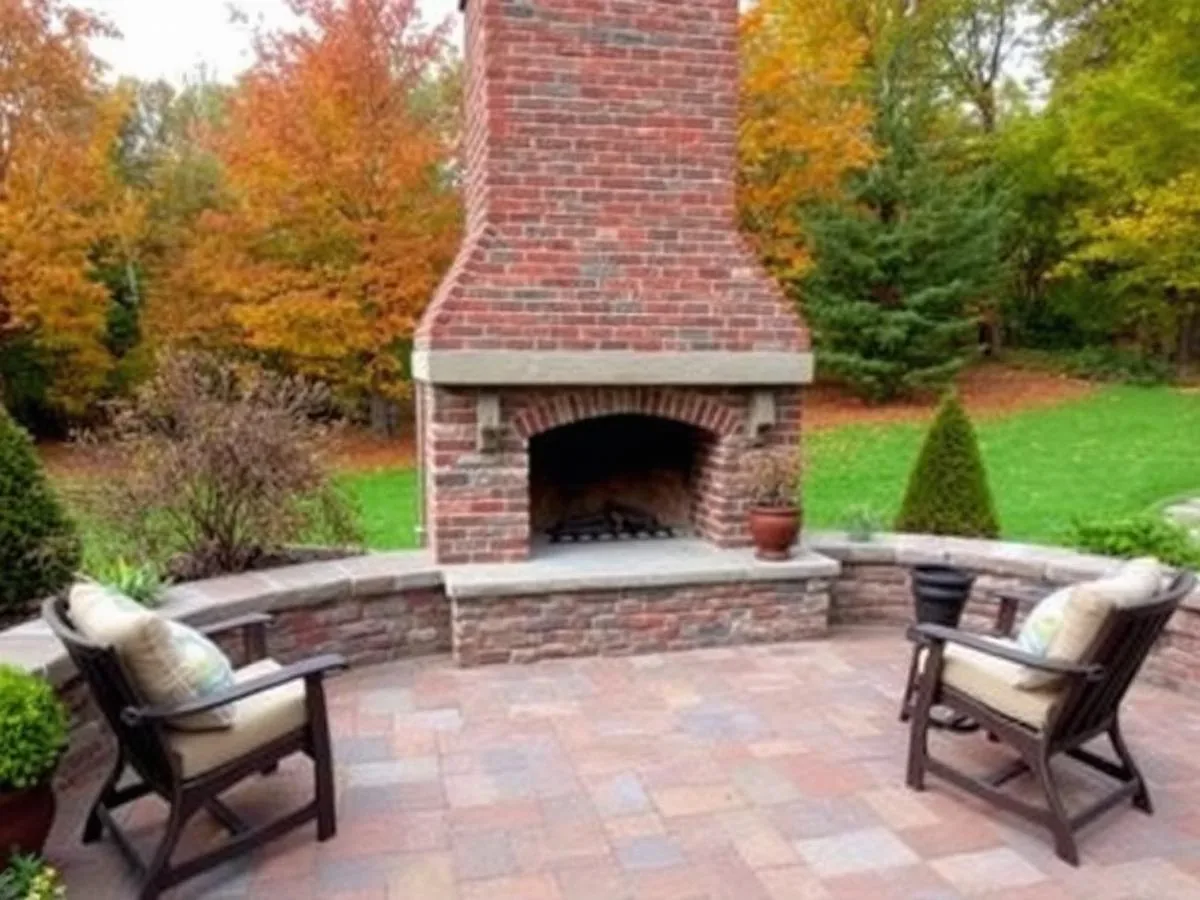
A Connecticut winter is hard on a landscape: months of freeze-thaw cycles, plows, shovels, rock salt and snowmelt that has nowhere to go. Most of the damage starts small. A single heaved paver or a hairline crack in a mortar joint is a quick fix in April. Left alone, it lets in water, and by October it can be a rebuild.
Grab a coffee and take ten minutes to walk the property with this list.
Patios and walkways
- Heaved or sunken pavers and stones. Look for pieces sitting higher or lower than their neighbors. They're trip hazards and a sign water may be getting under the base.
- Missing joint sand. Winter storms and snow removal wash sand out of joints. Without it, pavers start to shift. Topping it up is quick and inexpensive.
- Cracked mortar joints. On mortared bluestone or brick, look for cracks or loose pieces. Water that gets in will freeze next winter and make it worse.
- Flaking or pitting. Spalling on bluestone or pavers usually means de-icing salt. Consider a gentler de-icer next winter.
- White haze. Efflorescence is a mineral bloom that often appears after winter. It usually fades on its own or cleans off with a product made for it.
- Puddles. After the next rain, note where water sits on the patio. A low spot now becomes an ice patch next January.
A good spring wash and, if your patio was sealed, a check on whether it needs resealing will set it up for the season.
Retaining walls and seat walls
- Leaning or bulging. Sight down the face or stretch a string along the top. Compare to last year's photos if you have them. Take new ones now.
- Displaced stones or blocks, especially in the middle of the wall's height.
- Loose or lifted cap stones. Frost and people sitting on the wall loosen caps. Re-glue them before they fall.
- Clear weep holes and outlets. Make sure drain outlets at the ends or base of the wall aren't buried by mulch, soil or leaves.
- Soil washing out through joints or erosion at the top or base after spring rains.
Any movement in a wall retaining a lot of soil is worth a professional look sooner rather than later.
Steps
- Loose treads or risers. A rocking step is a fall waiting to happen.
- Uneven rise. Frost can lift one step more than another. Even a half-inch difference catches toes.
- Cracked or missing mortar, especially on the treads where water collects.
- Railings that have loosened over the winter.
Beds and plantings
- Cut back grasses and perennials left up for winter interest before new growth gets tall, usually late March through April.
- Check shrubs along the driveway and street for salt burn and plow damage. Flush salted beds with a thorough watering, and prune broken branches cleanly.
- Look for winter burn on evergreens: browned needles or leaves on the windward or sunny side. Wait for new growth before pruning heavily; many recover.
- Don't work wet soil. Squeeze a handful. If it stays in a sticky ball, wait. Working wet clay compacts it for the rest of the season.
- Re-cut bed edges and top up mulch to 2 to 3 inches, keeping it off stems and trunks.
- Replace plants that didn't make it once you're sure. Some late risers, like summersweet, look dead well into May.
Gutters, drainage and lighting
- Clean gutters and check downspouts, including any buried lines, to make sure water is actually coming out the far end.
- Note where water collected during spring melt and rains. Those are the spots to address before summer storms.
- Walk the lighting after dark. Fixtures get knocked over by shovels and snow. Straighten them, clean the lenses, and replace any dead lamps.
- Reset the lighting timer if it didn't adjust for daylight saving time.
Book early
Spring is the busiest season for masonry and landscape work in Connecticut. If your walk-around turns up something bigger than a weekend fix, like a moving wall, a sinking patio or a drainage problem, getting on the schedule early means it's done before summer instead of during it.
A Norwalk foreman is happy to walk the property with you and point out what can wait and what shouldn't, free.